Tampilkan postingan dengan label Dilijan. Tampilkan semua postingan

Rabu, 20 Juni 2012

Vahanavank: the Undiscovered Treasure


Many people know Armenia by its highly popular tourist destinations – Sevan, Garni, Tatev, Noravank, Dilijan and some others. Even we – native Armenians, know so little about the hidden treasures of our country. The thing is that those undiscovered or long-forgotten destinations are able to tell much more about the Armenian land, the Armenian people, culture and history. The latest “discovery” was the Vahanavank Monastery – the mysterious beauty leaning in the green Armenian forests.

Vahanavank is situated in the southern part of Armenia in marz Syunik near the town of Kapan. It was built at the foot of Tigranasar mountain, in the forests and on the bank of Voghdji River. The monastery was founded in the 10th century by Vahan – son of Dzagik, the Prince of Syunik. According to Armenian historian Stepanos Orbelian Vahan suffered from demonic possession and to cure himself he decided to life a monk’s life.

The first building was the Gregory Illuminator church (911) built by Vahan. The construction continued by his nephew Vahan. Later in the 11th century a smaller monastery and other buildings were constructed near the main building. Near the convent there used to be a religious school with more than 100 preceptors.

Vahanavank used to be a religious center for the kings of Syunik. Vahan and also some of the Armenian kings, queens and princes are buried near the church.

Unexplainable warm feelings embrace you once you make a step to the mysterious “kingdom” of Vahanavank. As if you vanish from the reality finding yourself in a world unknown to the people, unknown to you.

The good news is that the Monastery is not “neglected” as many other monasteries are. In 1970s restoration works began and today the Monastery is not in danger.

Selasa, 27 Maret 2012

What is Easter in Armenia?


Easter is tasteful and energetic, colorful, blossoming, because lent is over and spring joy enters everyone’s heart christening for resurrection and new life.  Armenia’s Easter is truly lively. It is a holiday one won’t stay home. Aspire, optimistic, buoyancy and hope gyrate in the air. Churches and streets are full of families, young people, and children. Aroma of incense and voices of praises emerge from the churches where people are endlessly moving in and out and around.

Easter (in Armenian Zatik) is belovedand the most expected holiday in Armenia. Armenia has been Christian country since 301, and since then Easter has been popular and participative public holiday. Everybody in the streets, at home in friendly and family gatherings greets each other and says: “Christ has arisen". The answer is “Blessed is the resurrection of Christ".


Lenten fasting season lasts for 40 days before Easter. Christians, who want to fast, keep themselves away from sins and eat only vegetarian dishes. During fasting Christians attend the church and confess their sins, read Bible, keep themselves away from lasts. Towards the end of lent season a week before Palm Sunday is celebrated, when Jesus triumphantly entered Jerusalem. It’s a wonderfully decorated day: streets and homes are full of palm branches, people are crowned by flowers.

During lent Armenian families also put lentils or other sprouting grains on a tray covered with a thin layer of cotton, and keep it in a light place of the house until Easter when sprouts appear. These green sprouts, symbolizing spring and awakening of nature, are the “grass" on which people place colored eggs to decorate the Easter table.

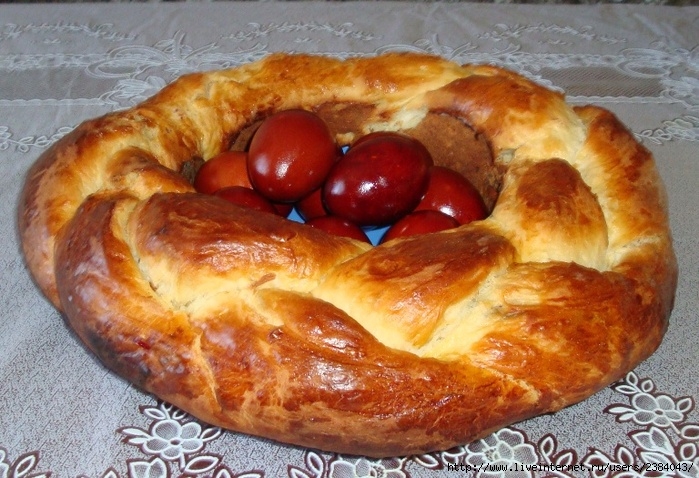
Next Easter day is a day of joy and triumph against cold and darkness. Spring holiday and resurrection! Armenians have preserved the beautiful biblical lore which refers to red eggs and cheorek (sweet bread): “When Christ was crucified, his mother took some eggs and bread wrapped in the shawl. When the Mother saw her Son crucified and his arms bleeding, she knelt down and cried. The Mother’s tears and Son’s blood dropping on the shawl colored the eggs and bread. Then the Mother put the shawl on her head. Since that day people began coloring eggs red on Easter day and women began wearing shawls when visiting church.

Everywhere in Armenia in Yerevan and in every city Easter is celebrated with traditional events, dishes, songs, greetings. Especially remarkable are revels and merriments in Ejmiadzin, Dilijan, Garni and in many other places. Armenia hotels offer Easter discounts.

The Easter atmosphere will be proliferated upon everyone. Special Easter liturgy will be held in Main Cathedral of Armenia in Ejmiatsin and in all other acting churches.  Garni Pagan Temple also will join the celebrations and provide traditional Easter eggs, as presents.